

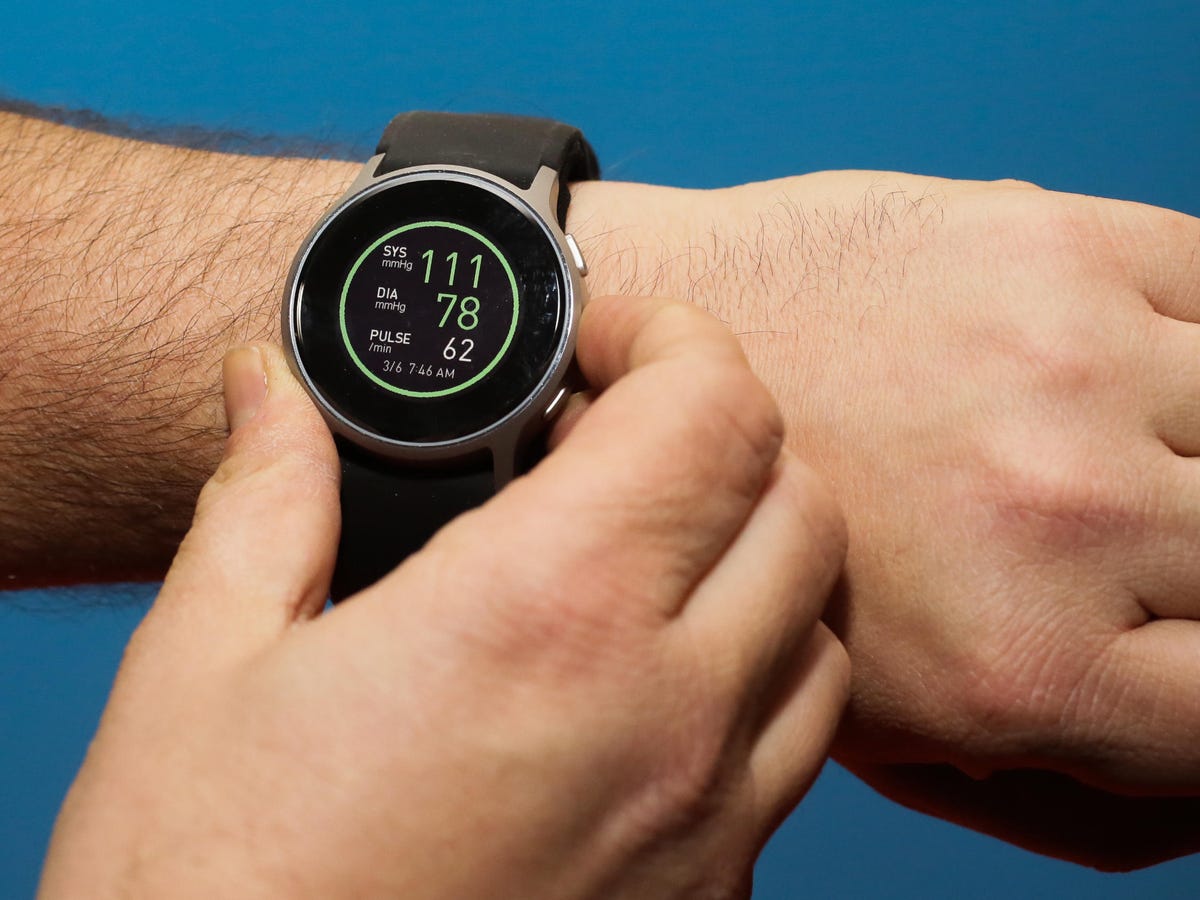
Ever had that moment when you’re sitting at the doctor’s office, and the nurse wraps that cuff around your arm? You know the drill—deep breath, sit still, don’t move, and then you hear the beeping. For some people, it’s a little nerve-wracking. Now imagine having a device on your wrist that does the same thing, minus the fuss. Yep, that’s what a blood pressure watch is all about.
And let’s be real… if we can track our steps, calories, and even sleep quality with a watch, why not keep an eye on blood pressure too?
The Story Behind the Buzz
Health tech has been on a crazy ride over the past decade. Ten years ago, a wristwatch that could measure heart rate felt futuristic. Now? It’s basically standard. The next big step was obvious—bring blood pressure monitoring into the mix.
Think about it. High blood pressure is often called the “silent killer” because most people don’t notice symptoms until something serious happens. Having a quick, easy way to check it daily? That’s kind of a big deal.
I remember a friend of mine who bought one of these early models a couple of years back. It wasn’t perfect—sometimes it gave slightly off readings compared to the bulky cuff at the clinic. But the convenience? Life-changing. Instead of guessing how her lifestyle changes were working, she could see patterns right there on her wrist. And that’s where the real value lies.
What’s Out There: Styles, Trends, and Options
Not all blood pressure watches are built the same. Some look like chunky medical gadgets, while others blend right in with sleek smartwatches.
Let’s break it down:
- Fitness-Focused Watches – These track steps, workouts, sleep, and throw in blood pressure as a bonus. Perfect for the “I want it all in one gadget” crowd.
- Medical-Grade Models – Designed with accuracy in mind. They’re less about style and more about reliability, often recommended for people who really need consistent monitoring.
- Everyday Smartwatches with Add-Ons – Think Apple Watch or Samsung Galaxy Watch. While they may not all have FDA-approved blood pressure tools yet, many have features or third-party apps that try to get close.
And here’s the trend: people want something that doesn’t scream “medical device.” No one wants a watch that makes them look like they’ve just left a hospital ward. Sleek, stylish, functional—that’s where the market is heading.
Why It’s Catching On Everywhere
Here’s the thing—blood pressure isn’t just a “health issue” anymore. It’s part of lifestyle tracking. Just like people check their steps after a long walk or compare sleep hours, they’re starting to track blood pressure to see how stress, diet, or even coffee affects their body.
In the U.S., for example, healthcare providers are encouraging patients with hypertension to self-monitor. In Asia, where tech adoption is lightning-fast, blood pressure watches are practically fashion statements. And in Europe? People love anything that combines wellness with minimalism, so naturally these devices are catching on there too.
It’s interesting to compare it with fitness trackers from a few years back. At first, they were “nice to have.” Now they’re almost mainstream. The same pattern seems to be happening here.
How It Actually Works (Without Getting Too Technical)
Okay, so here’s the casual breakdown.
- You strap it on. Nothing new there—it feels just like any smartwatch.
- Sensors do their thing. Instead of squeezing your arm like the classic cuff, most watches use optical sensors (the little green or red lights under the watch) plus algorithms to estimate blood pressure.
- It gives you a number. Some models ask you to stay still for a minute. Others take readings more quietly in the background.
- Track and compare. The real win is in the data over time. Seeing trends—like noticing your pressure spikes after three cups of coffee or drops after a yoga session—is far more useful than a single random reading.
Now, is it perfect? Nope. Even the best blood pressure watch can’t always match the accuracy of a medical cuff. But the point isn’t perfection—it’s accessibility. It’s about getting more information daily instead of just once every six months at the doctor’s office.
Should You Get One?
Honestly, it depends. If you’re young, active, and just curious—why not? It’s a cool tool that gives you insight into your body. If you’ve got family history of high blood pressure, it could be even more valuable. For people already diagnosed, it’s a way to stay on top of things without making it a big production.
But here’s my opinion: don’t ditch the doctor’s office. A blood pressure watch is like having a mirror—it shows you something real, but it’s not the whole picture. For major health decisions, you still want a professional in the mix.
Wrapping It Up
At the end of the day, a blood pressure watch isn’t just a gadget. It’s a tiny step toward making health monitoring feel normal, even stylish. You don’t have to wait for a doctor’s visit to know what’s going on inside your body. And that’s empowering.
So the next time you look at your wrist, ask yourself—are you just checking the time, or could your watch be quietly telling you something way more important?


